jewish burial customs timing
Jewish Funeral Guide covers Jewish attitude to death Jewish funeral rituals observance of the Shivah שבעה the seven day period of mourning as well as observance of the 30-day and 12-month mourning periods that follow the Shiva visiting Jewish cemeteries Mourners Kaddish קדיש יתום the Yahrzeit יארצייט. One very important tomb located here is the Tomb of Annas.
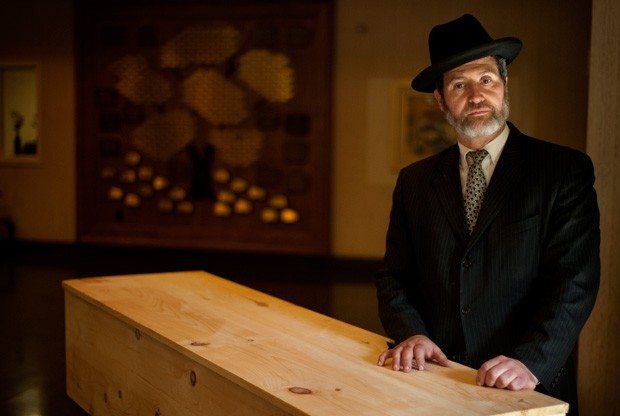
Jewish Funeral Traditions 15 Important Things You Need To Know
Chevra Kadisha holy group is the name for Jewish burial society.
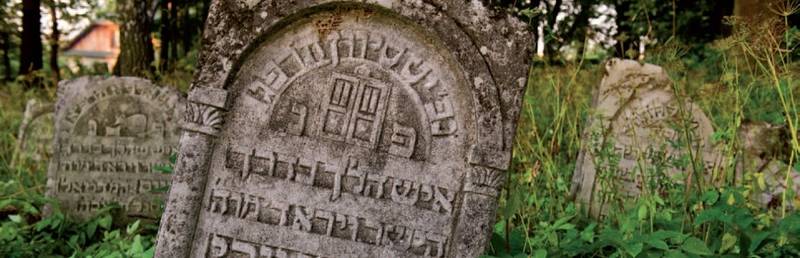
. As mentioned Jewish law mandates that the burial should take place within 24 hours after death. Jewish Funerals and Burial. Jewish funeral traditions start right after death.
This is believed to be the tomb of the priest who was mentioned in the Gospel of John one. Traditionally a Jewish funeral should typically take place as soon as possible - usually within 24 hours after death. As for orientation of the body there is no Halacha about this only different customs.
Embalming and Viewing the Remains. A person of Jewish faith and heritage cannot be buried on Shabbat Sunday or the Jewish day of rest. A few notable Jewish burial traditions affect the planning and coordination when laying a loved one to rest.
Ideally the placement of the casket in the ground should happen. His body should not remain all night. A wake ie visiting the funeral home on the night before the burial to comfort the mourners and to view the remains is not a Jewish custom.
Bodies are covered only by a clean cloth shroud and placed directly into the earth using a biodegradable container without a concrete vault or grave liner. However in modern times the funeral can be delayed for legal or practical reasons to avoid religious holidays or to wait for the arrival of family members. Theres Been a Death What to do just before or immediately after someone dies Understanding Jewish Practices Jewish rituals and customs associated with dying death burial and mourning Taharah and Shmirah Respectful gentle and loving care for both the body and the soul The Gamliel Institute A center for study training and advocacy concerning Jewish end-of-life.
Therefore this is an example of reasoning a person may not be buried. Funerals are prohibited on the Sabbath therefore its allowable to wait until Sunday. Jewish burial timing encourages families to complete the burial as soon as possible.
Shiva is the Hebrew word for seven and this is the typical mourning period that follows the death of a close loved one. Timing of the service. This was in accordance with Jewish burial customs.
At this location there are many 1st century tombs which have also been cut out of the rocks. They prepare the deceased for Jewish. If you have a Jewish family member who is very ill or just died and you would want to make a Jewish funeral it is recommended that you contact immediately the local Chevra Kadisha.
The first seven days following the funeral is known as shiva and the. As Jewish law prevented a crucified person from hanging on the cross during a Sabbath a dead body had to be removed and buried before days end. Acts 936-41 Neighbors and others could come to express their grief and console the family.
Traditionally burial takes place as soon as possible-within 24 hours. Jewish funeral rituals start right at death. In Israel the Jewish funeral service usually commences at the burial ground.
Because Jewish burial laws require that the body be allowed to become a part of the earth as soon as possible caskets are often drilled with holes to speed up decomposition. Jewish Burial Customs. Embalming is prohibited by Jewish law.
However this is not always possible. Millennia ago Jews were buried within 24 hours of their death and this is still standard in traditional communities. John 1939 40.
Occasionally the service will commence at a synagogue. So as the Sabbath drew near the Roman guards considered breaking the legs of Jesus and the two thieves hanging next to him to hasten their deaths. Unless the passing occurred on Thursday one should not wait until Friday for the burial.
Based on Jewish laws traditions and customs a Jewish funeral usually takes place within one day following the date of death and these are solemn and reflective services followed by a gathering at the mourners home which marks the beginning of shiva. This is done in accordance with the Torah sacred Jewish scripture which says You shall bury him the same day. Traditionally a Jewish burial is supposed to take place within 24 hours of death.
Here are a few common Jewish burial customs and Jewish death rituals. Based on Jewish laws traditions and customs a Jewish funeral usually takes place within one day following the date of death and these are solemn and reflective services followed by a gathering at the mourners home which marks the beginning of shiva. In the United States and Canada the funeral service commences either at a funeral home or at the cemetery.
Tomb of Annas PhotoBiblical Archaeology Society Just south of Jerusalem is a place called Akeldama. This is not always possible and given the fact that many modern Jewish families are spread out around the country it usually becomes necessary to wait a day or two until all of the mourners can arrive. Jewish law requires the body be allowed to return to the earth as soon as possible.
One may delay the burial in order to arrange the funeral but that delay should be as minimal as possible preferably before 24 hours have passed. Jewish funerals cannot take place on Shabbat or on most Jewish holidays. Bible accounts of funerary arrangements reveal that the Jews took great care in preparing the corpse for interment.
Family and friends washed the body of the deceased rubbed it with spices and fine oil and wrapped it in cloths. Jewish law therefore demands that we bury the deceased within 24 hours following death. Most families do the unveiling after the first 30 days of mourning to mark the conclusion of the shiva process.
Once the casket is closed it is not to be opened again unless the deceased was not previously identified and now requires identification. The religious concept underlying this law is that man made in the image of God should be accorded the deepest respect. The timing of funeral and burial is important as the Jewish culture does not believe in embalming and is of the belief that the dead should be buried as soon as possible.
Matthew 2759 Mark 1546 and Luke 2353 describe Jesus body being wrapped in linen cloth not in a linen cloth John 1940 is much more specific describing strips of linen cloth not a single sheet as is the Shroud of Turin in accordance with Jewish burial customs.

Resurrection Of Jesus Free First Fruits Guide Shavuot Feasts Of The Lord Feast

Jewish Traditions For Death Burial And Mourning Rohatyn Jewish Heritage
Death Mourning Temple Israel Of Northern Westchester

Timeline Of Jewish Mourning My Jewish Learning
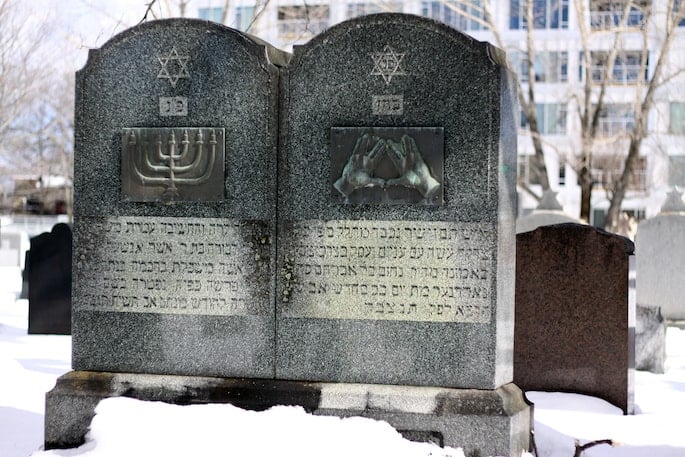
Cemetery Grave And Tombstone In Judaism Death Mourning
Timeline Of Jewish Mourning My Jewish Learning
Jewish Funeral Traditions And Customs

That The World May Know Burial Practices
Timeline Of Jewish Mourning My Jewish Learning
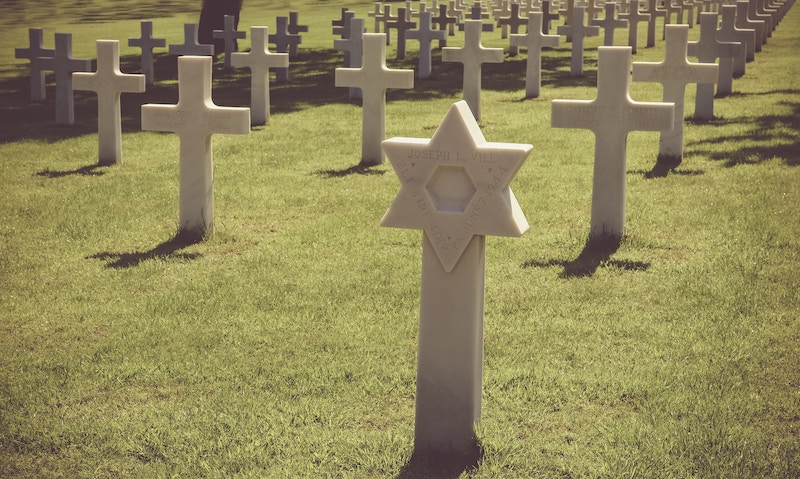
Headstone Unveiling In Jewish Mourning A Guide Cake Blog

Jewish Traditions For Death Burial And Mourning Rohatyn Jewish Heritage
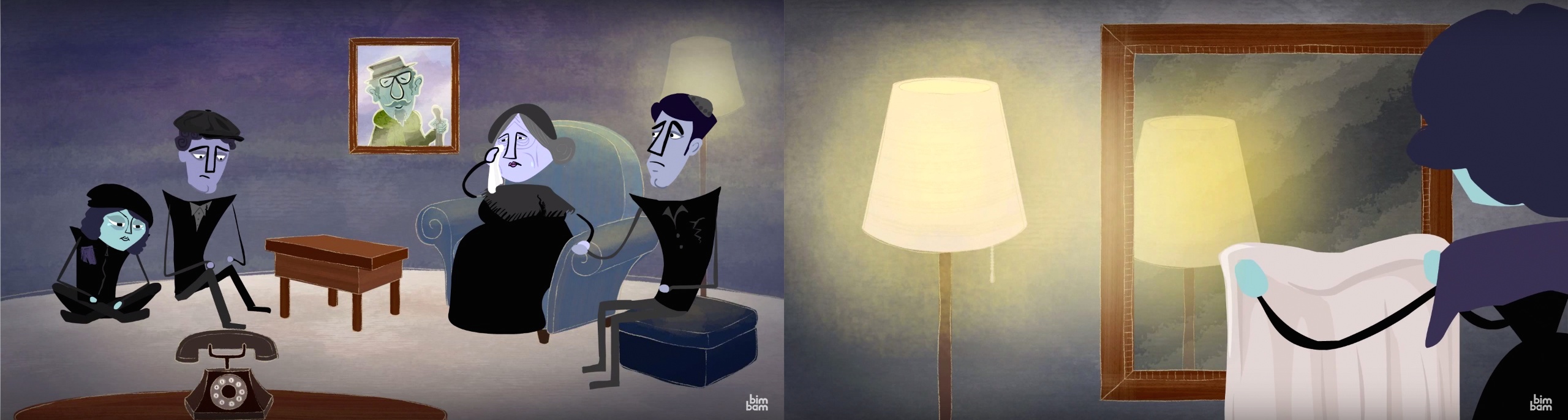
Jewish Traditions For Death Burial And Mourning Rohatyn Jewish Heritage
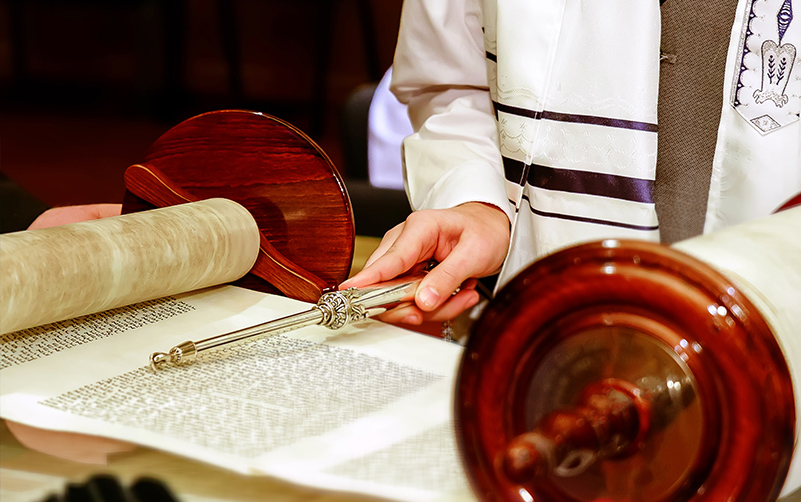
Jewish Funeral Customs Funeral Partners
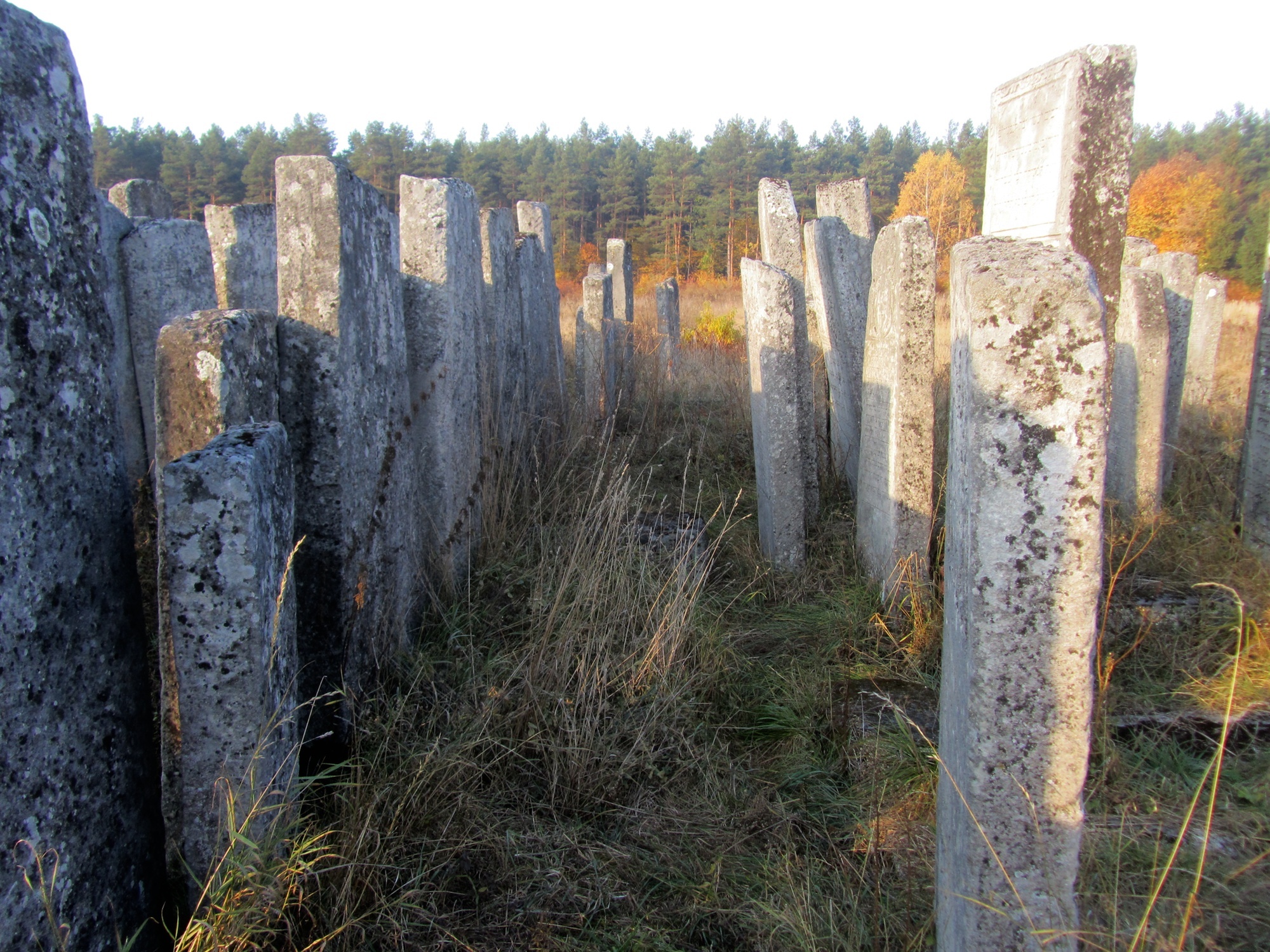
Jewish Traditions For Death Burial And Mourning Rohatyn Jewish Heritage
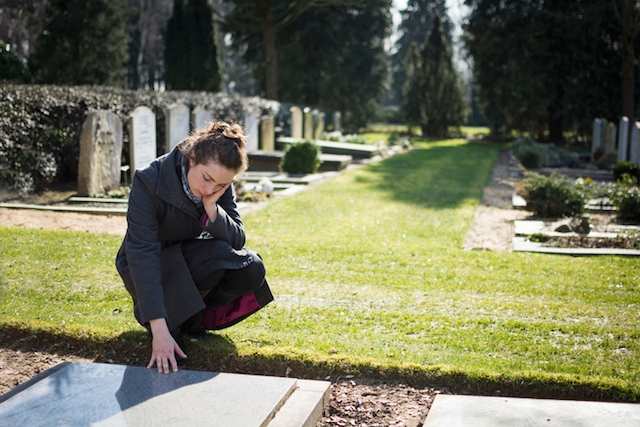
Timeline Of Jewish Mourning My Jewish Learning

How Long Is A Funeral Length Of Different Types Lovetoknow

Christian Funeral Traditions And Etiquette
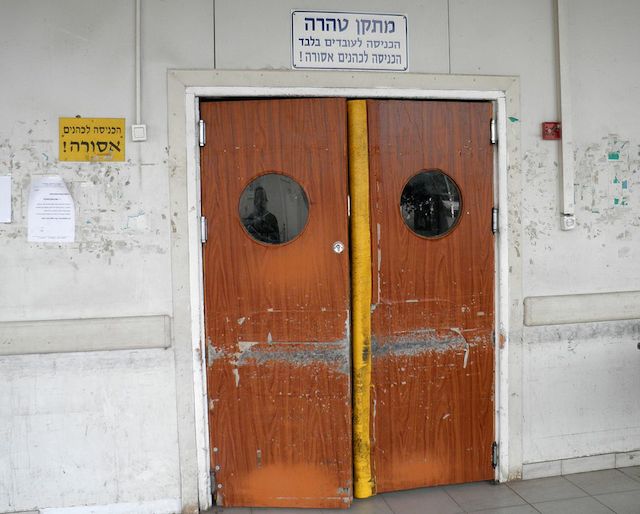
Tahara Preparing The Body For Burial My Jewish Learning
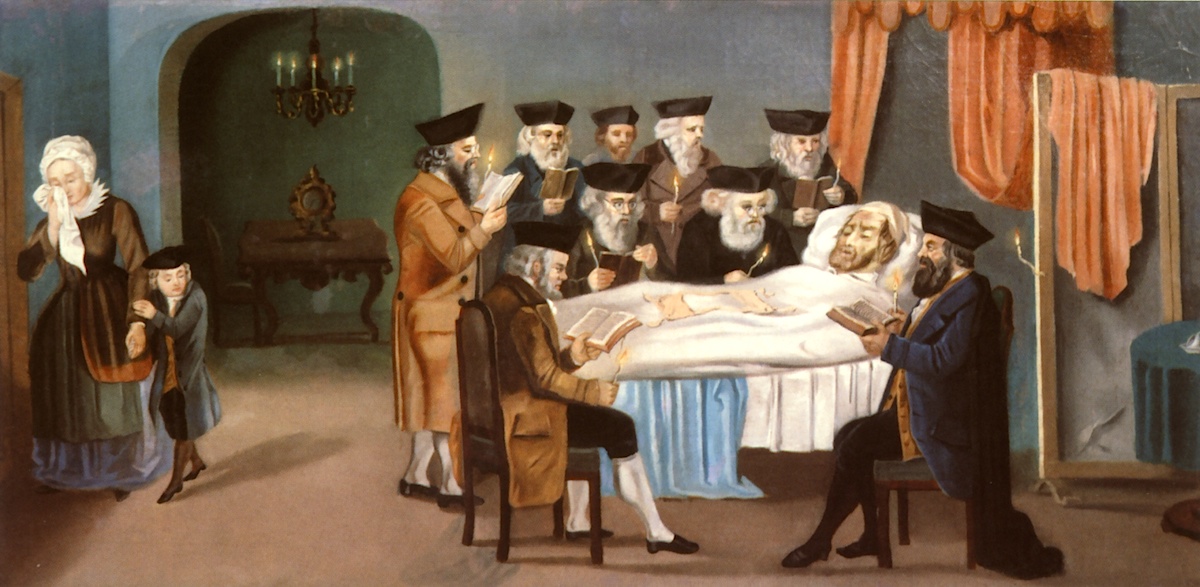
Jewish Traditions For Death Burial And Mourning Rohatyn Jewish Heritage